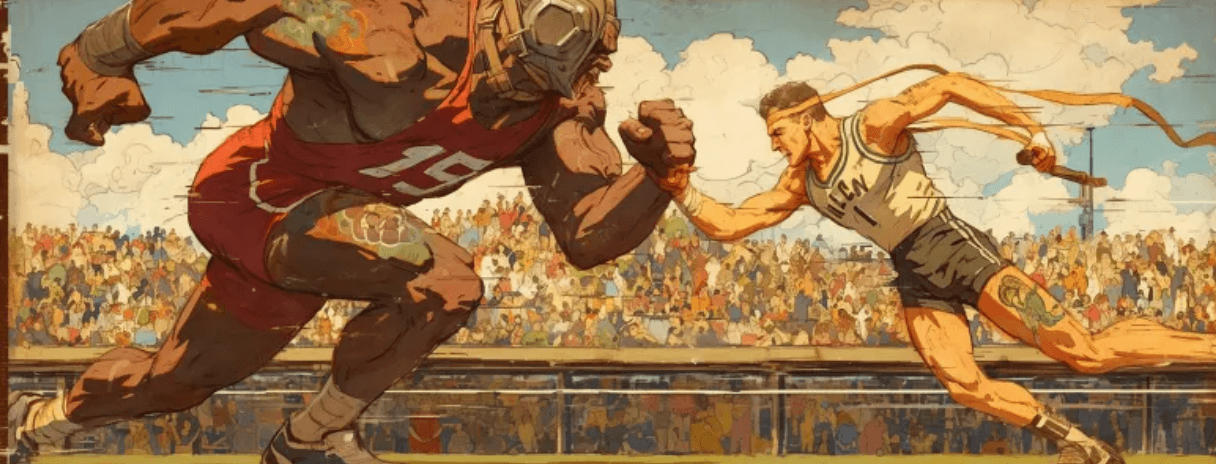

Sports duels are simple to comprehend as the stress can be seen. Two athletes, two teams, two cars, or two strategies head towards one moment. A tennis tie-break, a Formula 1 overtake, a football penalty, a boxing round or a basketball final possession can capture attention as the audience can read the set-up quickly.
Crash-style game design works with a similar kind of compact tension. The screen has to show contrast, timing, direction, risk, and outcome without slowing the session. In a wider discussion about short digital formats, game crash duel x fits as an example of how duel-style screens depend on fast visual reading, clear prompts, and feedback that arrives at the right moment. The strongest lesson from sport is simple: tension feels better when the screen makes the rivalry easy to measure.
Rivalries Turn Pressure Into a Clear Shape
The audience has a clear structure if a strong sports duel is used. It’s one side vs another side, a score or position visible, and a moment that determines the outcome of what comes next. A lengthy explanation is not needed as the viewer can see the relationship between pressure and outcome on the screen.
This is reflected in football penalties. The ball, the goalkeeper, the shooter, the goal and the reaction of the players and the audience are a tight picture. The point-count, serve order and match rhythm of tennis tie-breaks are the same. Track position, timing gaps, tire status and overtaking zones in F1 turn speed into readable competition.
The structure of these moments can be utilized in a crash game design. It should be obvious to a user what is on, what is changing, and what the next signal will indicate. Before the outcome of the duel, the interface should allow the duel to be seen.
Contrast Makes Competition Easier to Follow
You need contrast to have rivalry. Jersey, court sides, lanes, scoreboard, player names, color coding, camera framing, etc. are used to distinguish players during sports broadcasts. If you don’t have those signals, you’ll find it harder to read the pressure.
Digital duel screens must be equally clear. The main action should be conspicuous from the background. Use of status labels should be at appropriate locations where users are expecting them. Prompts must facilitate the next action, rather than compete with the visual action.
Loud design is not good contrast. It is design for a reason. If a mobile screen has too much movement, it can appear vibrant but devoid of clarity. The user will know where to look and this will create stronger tension if the screen is cleaner.
Famous Duels Show How Timing Builds Focus
Sports moments involving famous athletes often become memorable because the timing is easy to follow. A Messi penalty has a visible pause before the shot. A Ronaldo free kick has a clear setup: ball placement, wall position, stance, whistle, strike. A Serena Williams tie-break builds through small score changes. A Verstappen race start turns milliseconds into pressure. A LeBron James late possession uses clock, spacing, defender position, and score gap to shape attention.
These moments are different, but their screen logic is similar. The audience sees a buildup, watches the decisive action, then reads the result. The tension works because the process is visible.
Crash-style screens can use the same rhythm in a compact way. A short session still needs a beginning, a live phase, and a result moment. If those phases blur together, the screen feels rushed. If each phase is readable, the experience feels controlled.
Measurement Turns Fast Screens Into Trustworthy Screens
MrMeasurements-style thinking fits naturally into duel design because fast screens need measurable states. Sport uses numbers to make pressure legible: time, score, distance, speed, rank, accuracy, possession, or gap. These measurements give the viewer a frame for the emotion.
Instant screens can use similar logic through visible timing, status, and feedback. A user should be able to tell whether the screen is waiting, active, resolving, or ready for the next action. Confusion often appears when states look too similar.
A strong duel screen usually needs:
- Clear separation between setup, action, and result.
- Short status labels that explain the current phase.
- Consistent colors for repeated screen states.
- Visible feedback after every tap.
- Timers or motion cues that support timing.
- Results that appear clearly before the next prompt.
These elements help users read the screen without overthinking. Measurement does not remove excitement. It gives excitement a visible frame.
Mobile Design Leaves No Room for Guesswork
Crash game screens often live on small mobile displays, where space is limited and attention moves quickly. This changes the design standard. A desktop screen can carry more detail. A phone screen needs stronger discipline.
Touch controls should be easy to reach without covering important action. Text should be short enough to scan. Icons should repeat the same meaning across the screen. Motion should guide attention toward change, not distract from it. The result should be easy to identify even during a short session.
Mobile users also switch contexts quickly. They may open an app during a break, move between messages, or use one hand. A duel screen has to work under that pressure. The design should make the current state obvious within seconds.
Sports apps already understand this. Score alerts, match cards, live timers, and player stats are designed for quick reading. Crash game UX can take the same approach by making every signal purposeful.
Feedback Is the Moment After the Moment
A duel does not end when the action happens. It ends when the audience understands the result. Sports broadcasts know this. After a goal, overtake, punch, serve, or final shot, the screen confirms the new state through score changes, replays, crowd reaction, or updated timing.
Digital games need that same confirmation. Feedback after a user action should be immediate and visible. If the screen changes too quietly, users may wonder what happened. If it changes too aggressively, the result can feel buried under effects.
The best feedback is calm and clear. It separates the outcome from the next action. It gives the user a small moment to read the result before the screen moves forward.
The Competitive Screen Standard
Sports duels prove that pressure does not need clutter. It needs a visible setup, clear contrast, measured timing, and a result that can be read instantly. Crash game design can follow the same standard.
The future of competitive instant screens will depend on sharper signals, cleaner phases, and better feedback. A strong duel screen will not make users chase information. It will show the rivalry, mark the timing, confirm the action, and let the pressure build naturally.


 By
By

 By
By